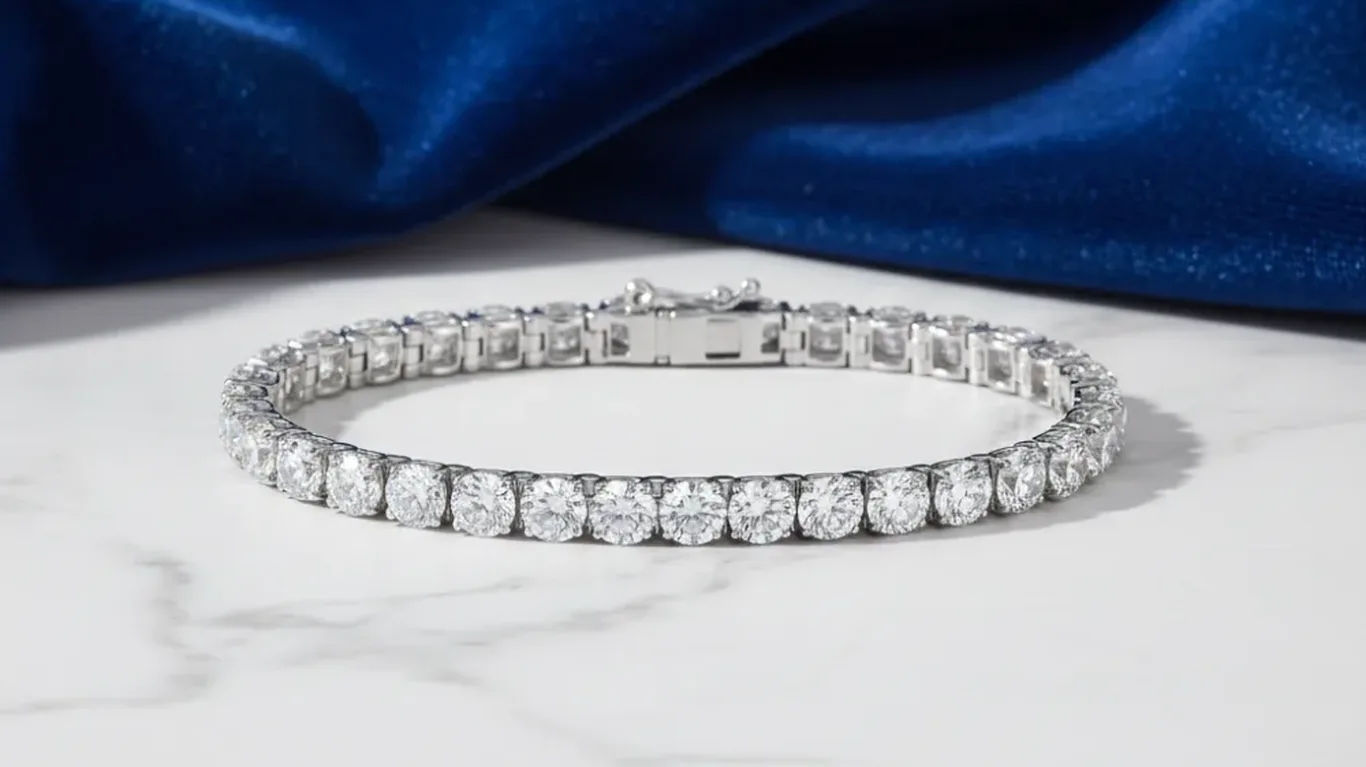
Five years ago, a lab-grown diamond was a novelty in most Indian jewellery shops. Today it is one of the fastest-growing parts of the market, and India sits right at the centre of it. Here is what has happened to prices, why, and what it means if you are thinking of buying.
India: from cutting centre to growing centre
India has cut and polished most of the world's diamonds for decades, with Surat as the heart of the trade. Over the last few years, it has also become one of the largest producers of lab-grown diamonds. According to export data reported from the Gem and Jewellery Export Promotion Council (GJEPC), India's polished lab-grown diamond exports rose from about 3.6 million carats in 2022 to around 15 million carats in 2025. In the first five months of 2026, lab-grown shipments overtook natural diamond shipments by volume for the first time.
What has happened to prices
Prices have fallen a long way. The same export figures show the average price of an exported polished lab-grown diamond dropping from roughly $389 per carat in 2022 to around $71 per carat in early 2026, a fall of more than 80%. Natural diamond export prices fell too, but only by around 12% over the same period. Industry analysts also report steep falls in wholesale prices since 2020.
The main reasons:
- More production. Many new growers, in India and abroad, have added capacity.
- Better technology. Growing machines have become faster and more efficient, so each stone costs less to make.
- Competition. More sellers means more pressure on price.
What this means for buyers
For anyone buying jewellery to wear, falling stone prices are good news. Your budget now buys a larger diamond, a higher grade, or a more elaborate design than it would have a few years ago. Keep in mind that the stone is only part of the price of a finished piece. Gold, which changes daily, the making charge, the design and certification all add to it.
The flip side is resale. Because new lab-grown diamonds keep getting cheaper, a stone bought today is unlikely to hold its value. Buy lab-grown jewellery for its beauty and wearability, not as an investment.
And sustainability?
Lab-grown diamonds avoid mining, so there is no land cleared and no pit dug. Their main environmental cost is electricity, because growing a diamond takes days or weeks at very high temperatures. As more Indian growers move to solar and other renewable power, that footprint is shrinking. If sustainability matters to you, ask your jeweller how the stones were grown.
The bottom line
India is now one of the world's leading producers of lab-grown diamonds, prices are far lower than they were, and buyers have never had more choice. If you would like to see what that means in practice, browse our bracelets and rings, or read our guide on whether lab-grown diamonds are more ethical.
Export figures are from GJEPC data as reported in the Indian business press in 2026. Prices change often, so treat them as a guide.