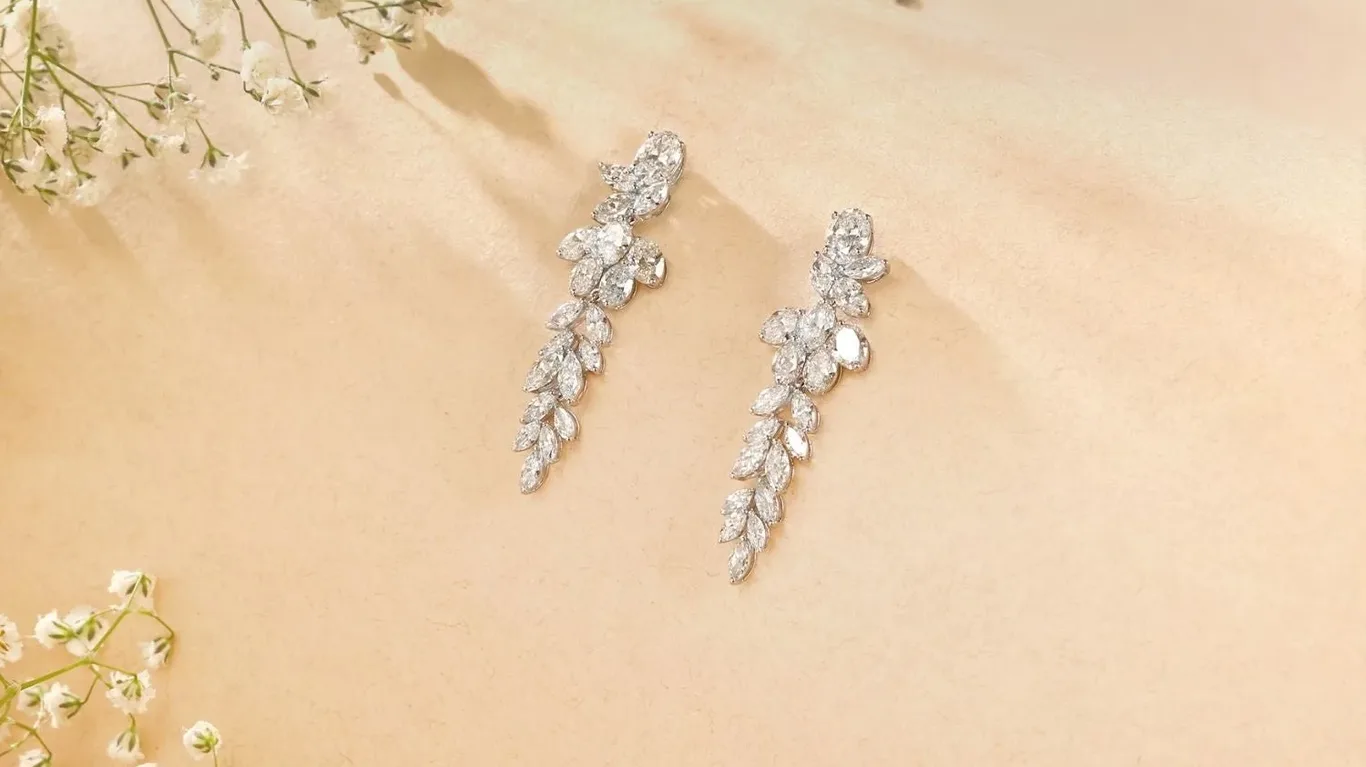
Ask anyone why they chose a lab-grown diamond and "it feels more ethical" usually comes up in the first sentence. It is a fair instinct. But ethics is a big word, so it helps to break it down into the things that actually matter: where the diamond comes from, who worked on it, what it did to the land, and how much you can trust the story you are being told.
No mine, no displaced land
A mined diamond starts with moving a lot of earth. Open-pit and underground mines change the landscape for decades, and the area around a mine often has to be cleared of forests, villages or grazing land. A lab-grown diamond starts with a tiny diamond seed and carbon inside a machine. There is no pit, no tailings and no river diverted to wash ore.
That single difference is the strongest ethical argument for lab-grown stones, and it is not marketing. It is simply how they are made.
Conflict and labour
The phrase "blood diamonds" came from stones mined in war zones and sold to fund armed groups. The Kimberley Process was set up to stop this, and it has helped, but it only looks at whether rough diamonds fund rebel movements. It does not cover working conditions, child labour or violence by governments and security forces.
Lab-grown diamonds sidestep this question entirely. They are made in factories and labs, much of it in Surat and other parts of Gujarat, where the same cutters and polishers who have worked with mined diamonds for generations now also work on lab-grown stones.
The honest part: energy
Growing a diamond takes a lot of electricity. The two main methods, high pressure high temperature (HPHT) and chemical vapour deposition (CVD), both run for days or weeks at very high temperatures. If that power comes from coal, the carbon footprint is real.
So is a lab-grown diamond automatically "green"? Not always. The fairest way to put it is this: lab-grown diamonds avoid the land damage and human cost of mining, and their environmental impact depends heavily on how clean the power is. Some growers now use solar or other renewable energy and say so on their certificates. If sustainability is your main reason for buying, it is worth asking about.
Traceability you can check
A mined diamond can change hands many times between the mine and the shop, and its exact origin is often hard to prove. A lab-grown diamond has a much shorter journey, from grower to cutter to jeweller. Most good lab-grown stones are graded by an independent lab such as IGI or GIA, and the report number is laser-inscribed on the girdle of the stone, so you can match the diamond to its paperwork.
Questions worth asking your jeweller
- Is the diamond graded by an independent lab, and can I see the report?
- Is the report number inscribed on the stone?
- Is the gold hallmarked?
- Do you know how the diamond was grown, and whether renewable energy was used?
A jeweller who is proud of their sourcing will be happy to answer all four.
So, are they more ethical?
On the issues most people care about, mining damage, conflict and labour, lab-grown diamonds are the clearer choice. On energy, it depends on the grower. That is a more honest answer than "100% guilt-free", and it is still a strong reason to choose lab-grown.
Every piece at Aiva is set with lab-grown diamonds in 14k solid gold. If you would like to know more about a particular design, get in touch or browse our earrings and rings.