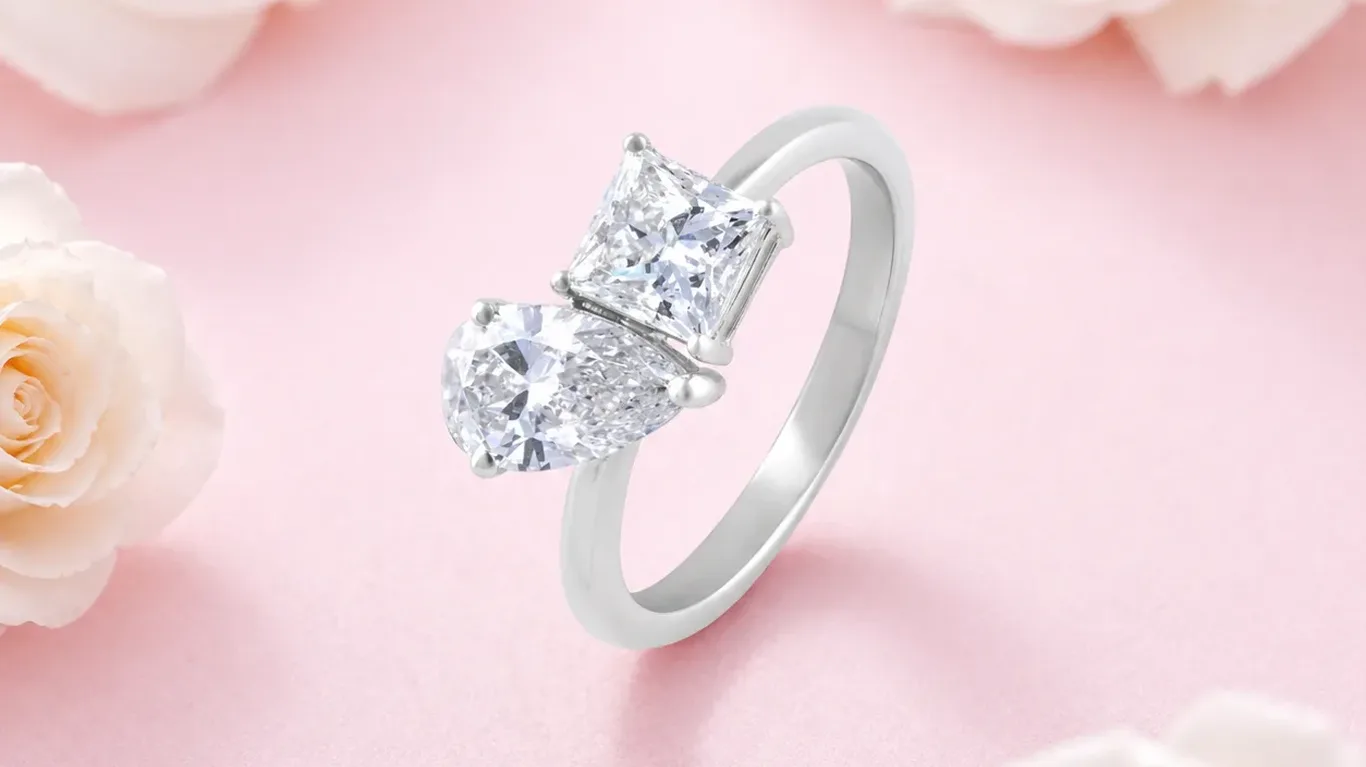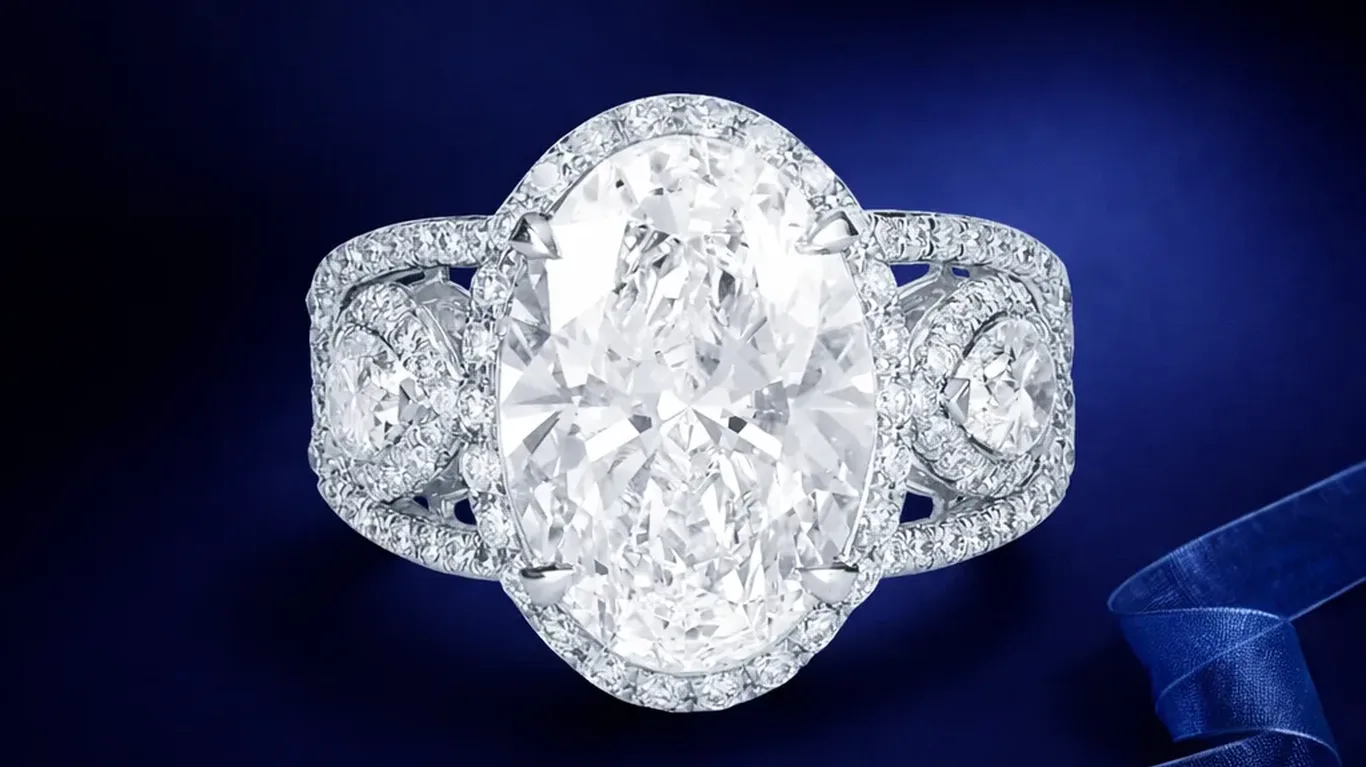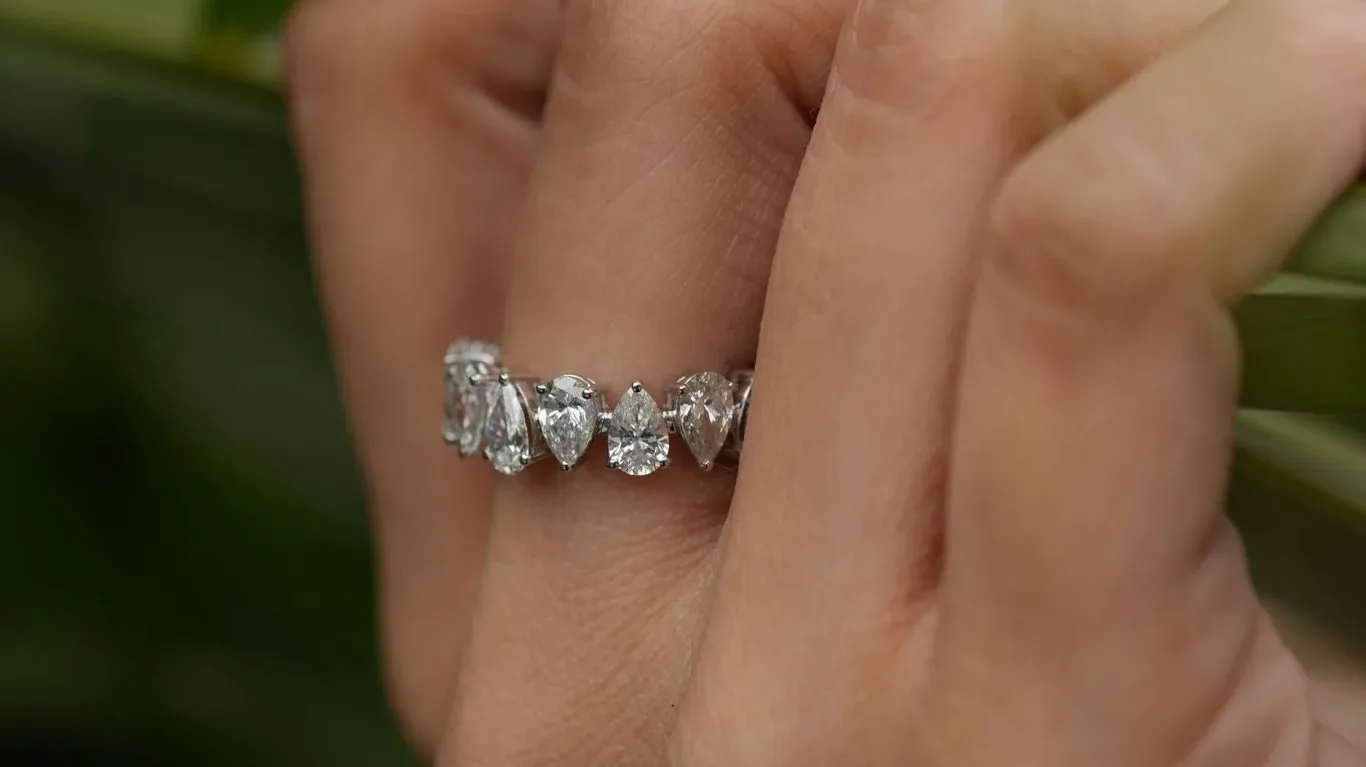
First, an important clarification: a lab-grown diamond is a real diamond. It is made of carbon in the same crystal structure as a mined diamond and passes every standard diamond test. When people ask whether a diamond is "fake", what they usually mean is whether it is actually a simulant, a different material made to look like diamond, such as cubic zirconia, moissanite or glass.
Quick checks you can do at home
The fog test
Breathe on the stone like you would on a mirror. A diamond disperses heat very quickly, so the fog clears almost instantly. On cubic zirconia or glass, the fog lingers for a few seconds. It is a useful first check, but a dirty diamond can hold fog too, so clean it first.
The read-through test
This only works on a loose round stone. Place it upside down on a line of printed text. A well-cut diamond bends light so strongly that you cannot read the words through it. With glass or cubic zirconia, you often can.
Look at the sparkle
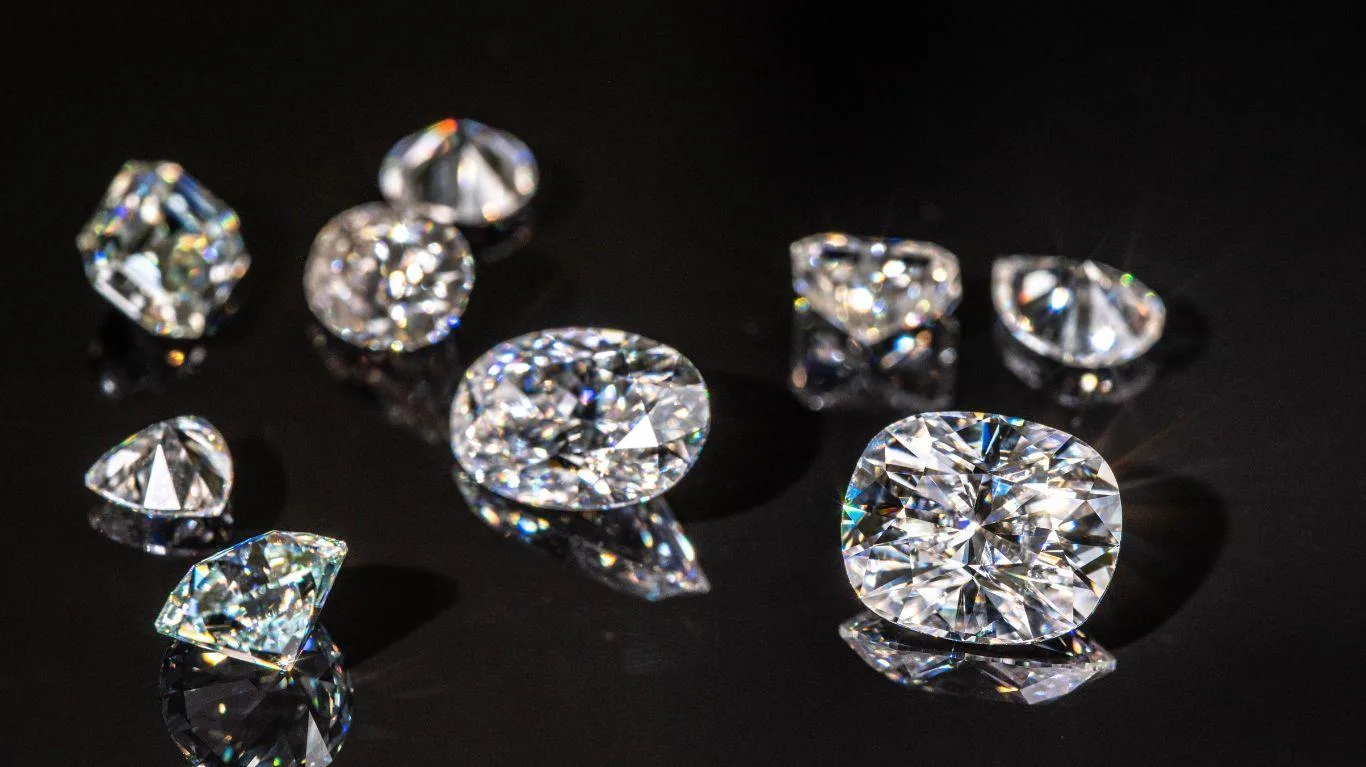
Diamonds sparkle with a mix of white light and flashes of colour. Cubic zirconia tends to throw out very strong rainbow colours, and moissanite shows even more fiery, almost disco-ball flashes, especially in sunlight. If a stone looks unusually rainbow-like, ask questions.
Check the mounting
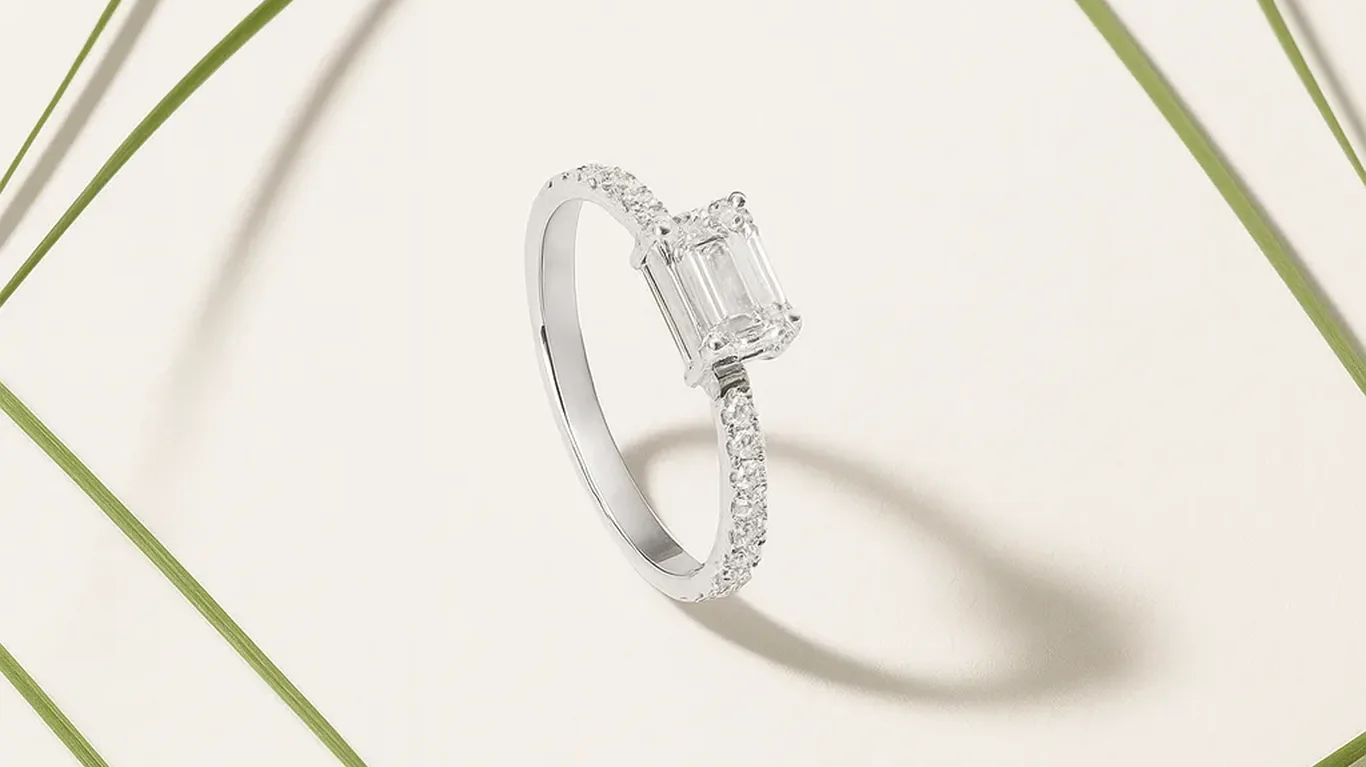
Look inside the band for a metal stamp such as 14K, 18K or a hallmark. Real diamonds are rarely set in base metal. A "diamond" in a ring stamped 925 (sterling silver) is more likely to be a simulant, although there are exceptions.
Tests you should not rely on
- The scratch test: scratching glass with a stone proves very little, and you risk damaging both.
- The water test: whether a stone sinks says almost nothing, because most simulants sink too.
- The hammer test: please do not. Diamonds are hard but can chip or shatter with a sharp blow.
What a jeweller can check
A jeweller will use a loupe to look for natural-looking inclusions and crisp facet edges, and a thermal or multi-tester to measure how the stone conducts heat and electricity. Basic thermal testers can be fooled by moissanite, which is why good jewellers use a combined tester.
The only certain answer: a grading report
A report from an independent lab such as IGI or GIA states exactly what the stone is, including whether it is lab-grown or natural, along with its carat, cut, colour and clarity. Most graded diamonds have the report number laser-inscribed on the girdle, so a jeweller can match the stone to its paperwork under magnification.
Lab-grown or mined: can you tell?
Not by eye, and not with a standard diamond tester. Telling them apart needs specialist equipment that looks at growth patterns and trace elements. That is exactly why the report matters. A trustworthy seller will always tell you clearly which one you are buying.
Buying a diamond should feel exciting, not stressful. If you have a question about any of our pieces, get in touch or read our FAQs.